
DNS FundamentalsAn SRV record tells compatible applications which host and port to use for a service. Learn how its fields work, how clients choose among multiple records, and what to check when a connection fails.
Read article · 4 min↗
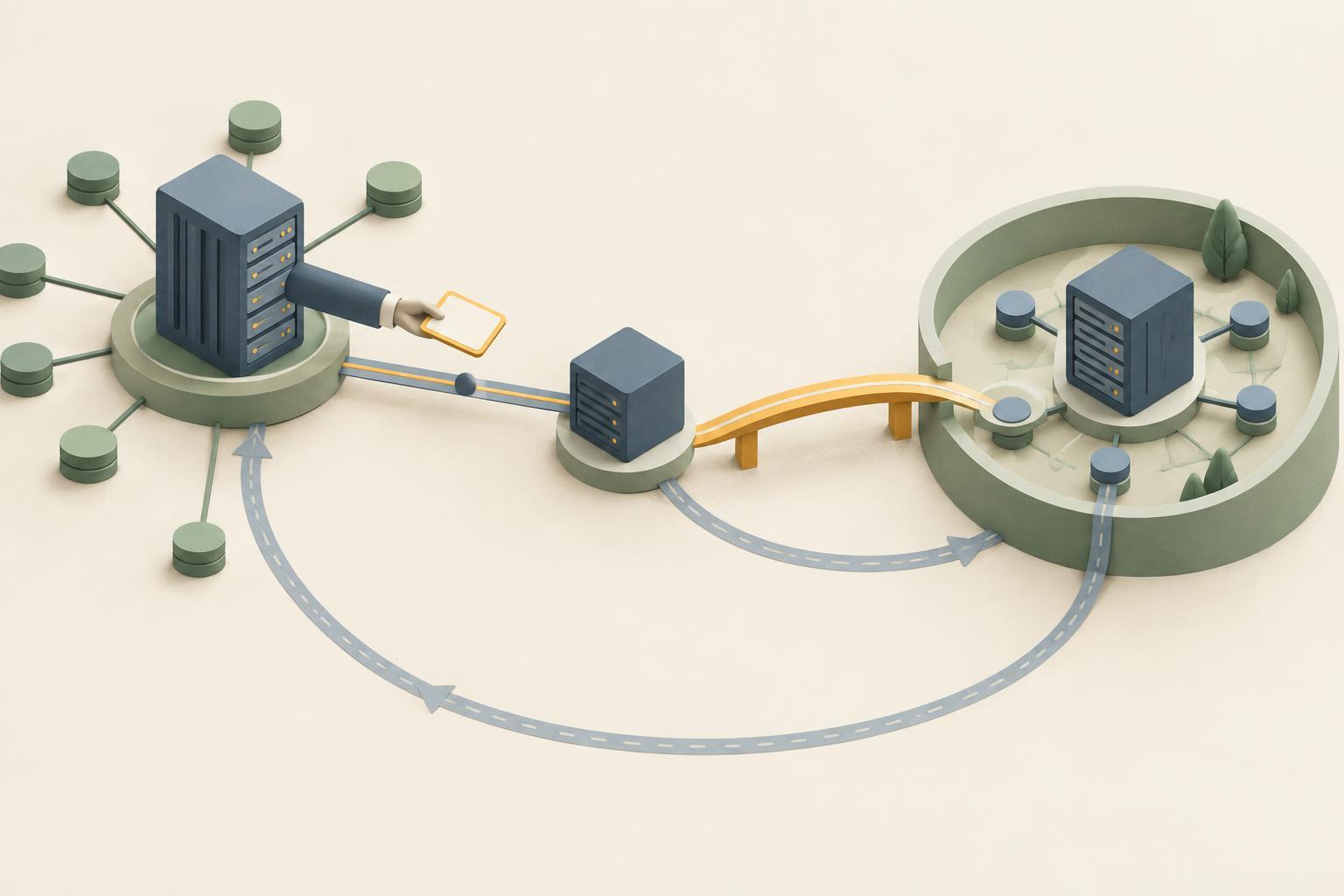
DNS FundamentalsGlue records help DNS resolvers find a domain’s nameservers when those nameservers sit inside the domain they serve. Learn how the circular dependency arises, where glue is published, and what to check when a delegation is not working.
Read article · 3 min↗
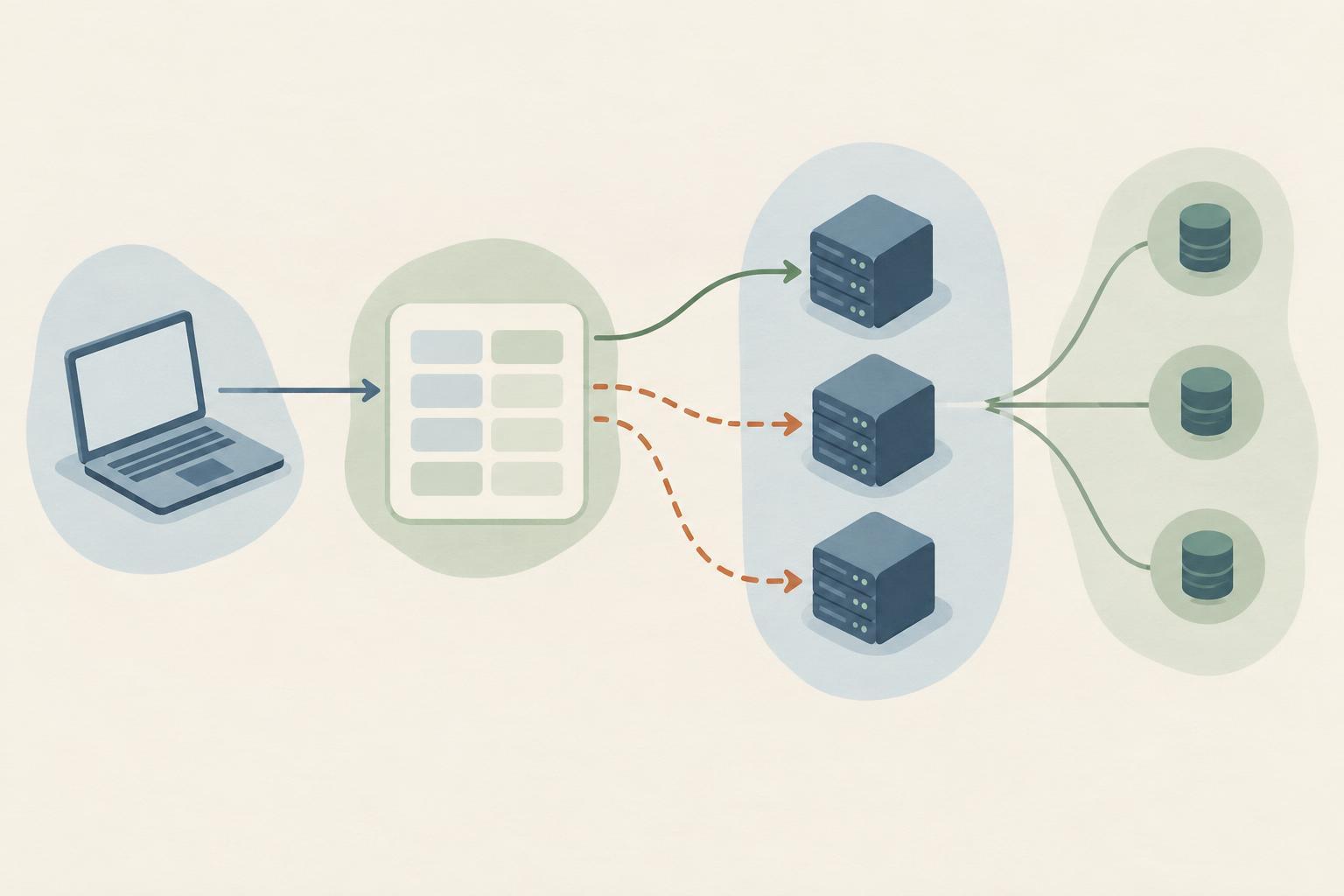
DNS FundamentalsA DNS reply is easier to understand when you separate what was asked, what was answered, which servers are responsible, and what supporting records were included. Learn how to read the question, answer, authority, and additional sections without mistaking a referral for a final answer.
Read article · 4 min↗

DNS FundamentalsLearn how to use dig to request A, AAAA, MX, TXT, CNAME and other DNS record types, then read the response without mistaking an empty answer for a missing domain.
Read article · 4 min↗

DNS FundamentalsA PTR record lets a reverse DNS lookup find a name associated with an IP address. Learn how reverse lookup names work, who controls PTR records, and how to check a result without confusing it with ordinary forward DNS.
Read article · 4 min↗

DNS FundamentalsDNS lookups are often quick exchanges over UDP, but some answers and DNS operations need TCP. Learn how the two transports work, why a resolver may retry a query, and what a transport change means when troubleshooting.
Read article · 3 min↗

DNS FundamentalsThe zone apex is the root of a DNS zone, while subdomains are names beneath it. Understanding the difference helps you place website, email, and verification records at the names where they will actually be used.
Read article · 4 min↗

DNS FundamentalsA wildcard DNS record can answer queries for names you have not created individually, but it is not a blanket rule for every subdomain. Learn how matching works, why existing names can block a wildcard, and what to check when a wildcard seems to be ignored.
Read article · 4 min↗

DNS FundamentalsA DNS TTL tells a cache how long it may reuse an answer about a record. Learn how the countdown works, why different users can see different answers after a change, and what TTL does—and does not—control.
Read article · 4 min↗

DNS FundamentalsTXT records can publish more than email settings. Learn how they help verify domain ownership, where to place them, why exact formatting matters, and how to check a record without disturbing existing DNS entries.
Read article · 4 min↗

DNS FundamentalsThe Start of Authority record identifies a DNS zone and carries values used for zone transfers and negative caching. Learn what each field means, what it does not tell you, and how to read one safely.
Read article · 4 min↗

DNS FundamentalsNS records name the servers responsible for a DNS zone. Learn how they appear at delegation points and inside authoritative zones, how resolvers use them, and why glue records are sometimes needed.
Read article · 4 min↗

DNS FundamentalsA CNAME points one hostname to another hostname, while A and AAAA records point directly to IP addresses. Learn when an alias makes maintenance easier, when direct address records are better, and which DNS limitations to check before making the change.
Read article · 4 min↗

DNS FundamentalsA and AAAA records connect hostnames to different kinds of IP addresses. Learn how their formats differ, why a hostname might have both, and what to check when one connection path fails.
Read article · 4 min↗

DNS FundamentalsA DNS record is easier to understand when you read it one field at a time. Learn what the owner name, TTL, class, type, and value mean, and how to interpret common differences between zone files and lookup results.
Read article · 4 min↗

DNS FundamentalsA domain name is built from labels separated by dots, but its written form can depend on context. Learn how hostnames and fully qualified domain names relate, why a trailing dot matters in DNS tools and zone files, and how to read common names without confusing them with URLs.
Read article · 4 min↗

DNS FundamentalsA DNS zone is the portion of the domain name system managed as one administrative unit. Learn how zones relate to domains, what happens at a delegation boundary, and which records help a zone answer queries.
Read article · 4 min↗

DNS FundamentalsA stub resolver is the device-side part of a typical DNS lookup. Learn how it turns an app’s request into a DNS question, checks local answers, chooses a resolver and handles the reply.
Read article · 4 min↗
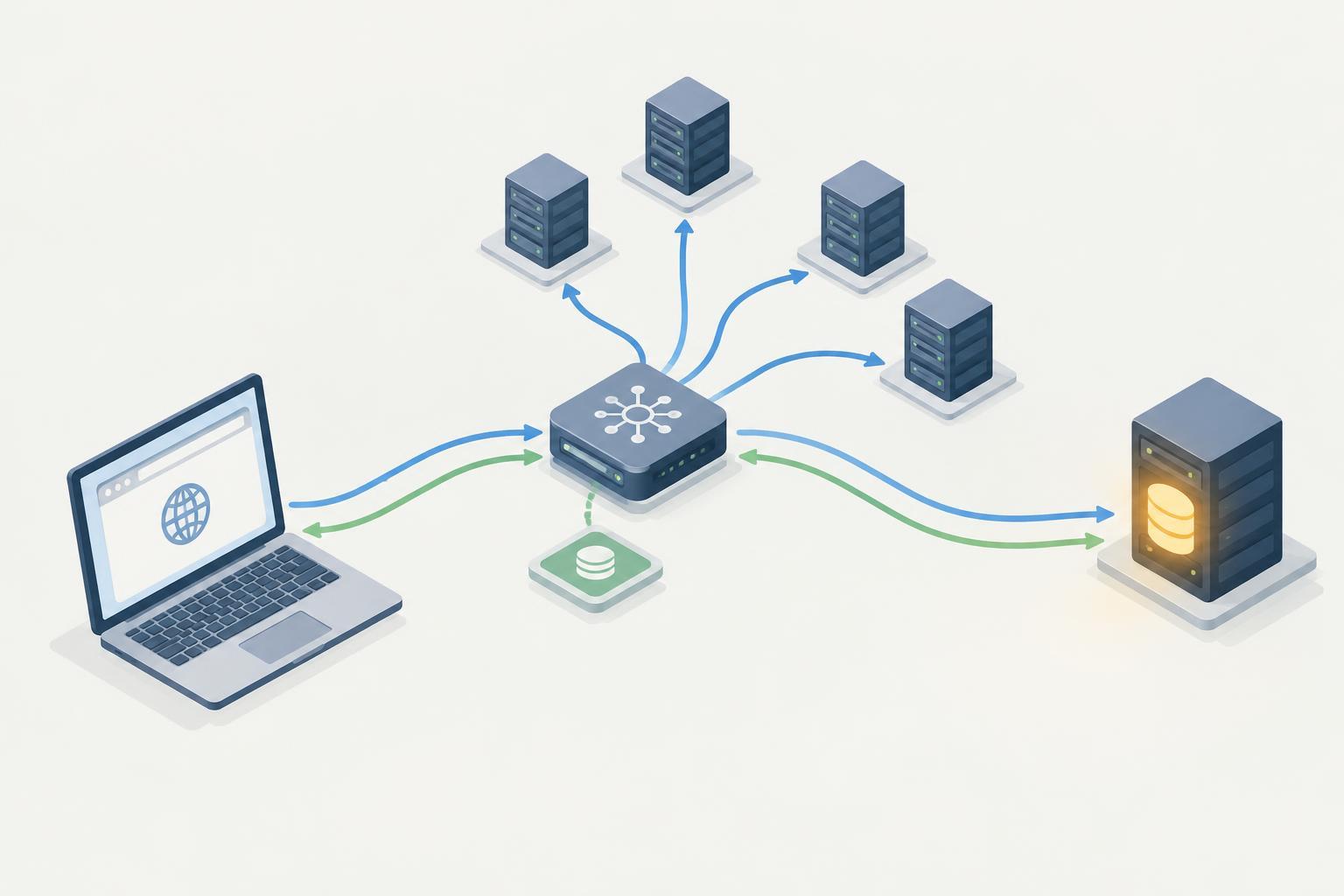
DNS FundamentalsA DNS lookup involves two different jobs: finding the right place to ask and providing the answer for a domain. Learn how recursive and authoritative servers work together, what caching changes, and which server to check when a record seems wrong.
Read article · 4 min↗

DNS FundamentalsDNS names form a hierarchy. Learn how the root, top-level domains, registered domains, subdomains and hostnames fit together, and how delegation helps a resolver find an answer.
Read article · 4 min↗